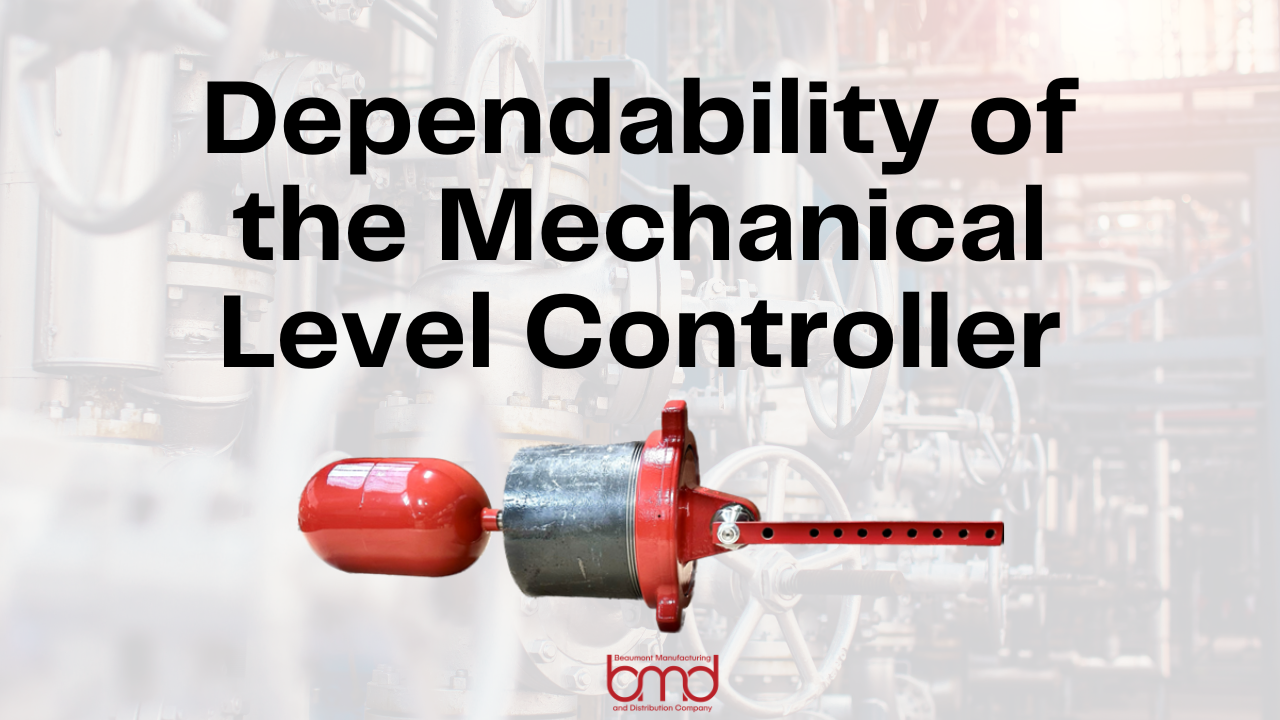
Dependability of the Mechanical Level Controller
January 20, 2025

Introduction: Mechanical Level Controller

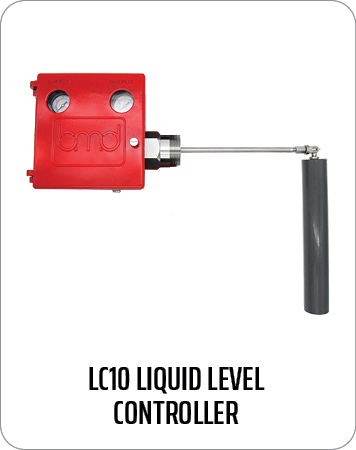
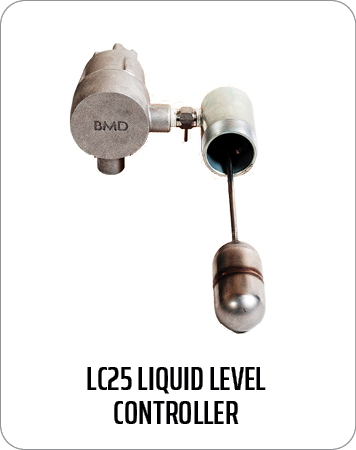
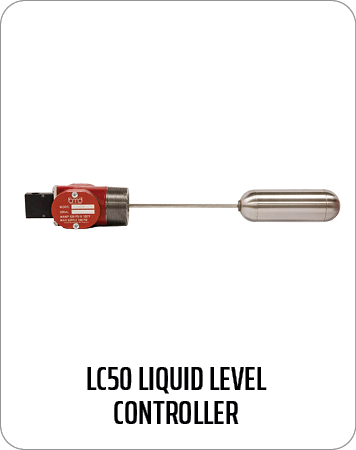
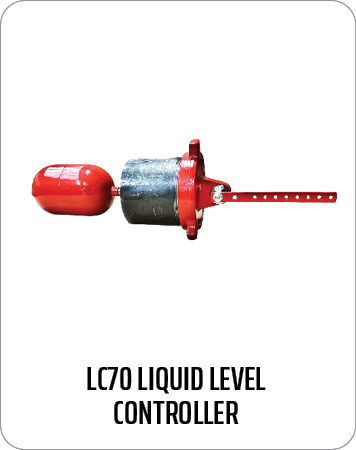
Preventing downtime in oil production is a critical goal for operational efficiency. Integrating reliable control valves and level control systems, such as the LC70 float-operated liquid level controller, plays a key role in avoiding costly interruptions. This blog post explores how these systems work and their advantages in maintaining smooth operations.

Go here to view all of the Level Controls at Beaumont Manufacturing and Distribution.


How Control Valves and Level Controllers Work

Control valves and level controllers are critical in oil production, particularly in vessels like separators and compressors. These systems regulate liquid levels, ensuring vessels operate safely and efficiently.


Mechanical level controllers operate through simple, robust designs, using mechanical components like splines, gears, and arms to communicate with a control valve (or dump valve). 


This design eliminates the need for complex electronics or pneumatic systems, reducing the risk of malfunctions.

In summary, because they’re so simple, there’s less that can go wrong. 

Let’s dive into these advantages in more detail.


Advantages of the Mechanical Level Controller


Reliability

Mechanical level controllers are inherently reliable due to their straightforward design. With no reliance on electronics or air systems, they are less prone to failure compared to more complex alternatives.


The simplicity ensures reliability by minimizing potential points of failure. With no air to cause leaks, no lines to clog, and a solid-state design, these systems eliminate many common issues found in more complex setups. 


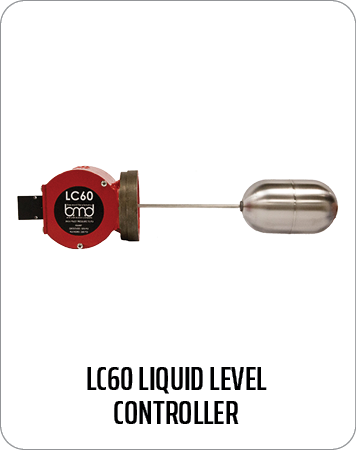
Unlike more complex electronic systems, the LC70 operates through a purely mechanical design composed of two steel arms connected by a lever. 


This straightforward mechanism eliminates the need for components like diaphragms, air lines, or intricate electronic parts, significantly reducing the risk of failure. 


The absence of these potential weak points means there are fewer parts to break or malfunction, creating a system that requires minimal maintenance. Its solid-state design ensures consistent performance, making it an ideal solution for operations where reliability is critical and downtime must be avoided.


Durability

The absence of air lines or electronic components prevents common issues like leaks, clogs, or electronic malfunctions. Their solid-state design ensures long-term durability even in demanding environments.


Ease of Maintenance and Preventing Downtime

Mechanical controllers are simple to inspect, repair, and maintain. Fewer components mean fewer potential failures and reduced downtime for maintenance.


Mechanical level controllers also prevent downtime by offering long intervals between rebuilds and avoiding frequent rework issues. 

For example, many brands struggle with problems like washed-out valve seats or imbalanced packs, which lead to significant delays. 

Mechanical controllers avoid these pitfalls, helping operators maintain continuous production and reduce costly inefficiencies.


Mechanical Level Controller and Emissions

Unlike pneumatic systems that vent pressurized gas, mechanical level controllers operate without emissions, aligning with environmental regulations and sustainability goals. Pneumatic systems often release natural gas or other pressurized gases into the atmosphere during operation, contributing to greenhouse gas emissions. Mechanical level controllers avoid this issue entirely by using a purely mechanical design with no air-powered mechanisms, eliminating the possibility of such emissions.


This advantage allows mechanical level controllers to comply with increasingly stringent environmental regulations, such as Quad 0000b/c. Their emissions-free operation reduces environmental impact and offers potential cost savings by avoiding fines or penalties associated with excessive emissions. These qualities also align with broader sustainability goals, making mechanical level controllers a preferred choice for environmentally conscious operations in the oil and gas industry.


Considerations When Selecting a Mechanical Level Controller

While mechanical level controllers are robust and reliable, there are limitations to consider:


  • Pressure Handling: Mechanical controllers may be less effective in extremely high-pressure applications due to their mechanical design.
  • Sensitivity: They typically lack the precision of electronic systems in detecting small liquid level changes.
  • Flow Capacity: Mechanical controllers prioritize reliability over throughput, which may limit their effectiveness in managing very high flow rates.
  • Adaptability: They do not integrate easily with automation or remote monitoring systems, which can be a disadvantage in highly automated operations.
  • High-Temperature Environments: Extreme heat may pose challenges to durability and could lead to material fatigue over time. While mechanical level controllers excel in simplicity, reliability, and emissions performance, these limitations mean they may not be the ideal choice for every operational context. Applications requiring high precision, advanced automation, or high-pressure tolerance might benefit from alternative solutions.


Conclusion

Mechanical level controllers are an excellent choice for preventing downtime in oil production. Their robust mechanical design, durability, and reliability make them valuable components for maintaining operational efficiency. By reducing the frequency of rebuilds and minimizing potential failure points, mechanical level controllers deliver consistent performance. This reliability helps operators avoid costly interruptions in production, ensuring smooth and continuous operations in demanding industrial environments.


By Website Editor July 11, 2025
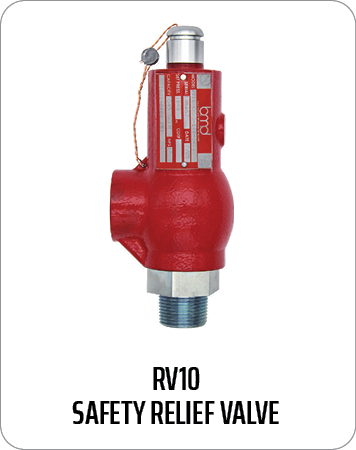
How to Maintain & Troubleshoot Relief Valves for Long-Term Performance Relief valves serve as essential safety equipment in oil and gas operations, regulating system pressures to safe levels while preventing destructive system failures. They operate as safety devices for pipelines, separators, and storage tanks throughout upstream and midstream oil and gas systems. BMD produces spring-loaded pressure relief valves that fulfill the highest requirements for durability, corrosion resistance, and reliability. However, even the most durable valves require scheduled maintenance and prompt troubleshooting to achieve optimal performance. Failing to maintain equipment properly leads to operational downtime, increased safety risks, and costly repair expenses. The following article provides instruction for relief valve maintenance and troubleshooting to ensure BMD valves operate safely and efficiently throughout their extended lifespan. Understanding BMD Relief Valves BMD relief valves are reliable and long-lasting. They can handle high-pressure systems, protecting against overpressure situations that could otherwise compromise the integrity of pipelines, storage tanks, and other critical equipment. BMD offers spring-loaded pressure relief valves that serve multiple applications across the oil and gas sector. The valves are in pipelines, separators, and storage tanks, where they protect equipment from overpressure. BMD valves surpass American design standards to deliver peak performance in demanding operational conditions. Common features include: Corrosion Resistance: BMD relief valves are designed to withstand corrosive environments commonly found in oil and gas operations, ensuring durability and a longer service life. Spring-Loaded Design: These valves provide reliable pressure relief by automatically opening when the system pressure exceeds the preset limit. American-Made Durability: Designed and manufactured in the U.S., BMD relief valves offer a high level of precision, performance, and safety. When properly installed and maintained, these valves can significantly improve the safety and efficiency of your oil and gas systems. Understanding their design and function is key to performing effective maintenance and troubleshooting. Why Relief Valve Maintenance is Critical Relief valves protect oil and gas operations by preventing overpressure, which can stop leaks, prevent equipment damage, and prevent catastrophic failures. The relief valves require regular maintenance to maintain their optimal operational state. Poorly maintained relief valves can cause various issues, such as: Worn seals or improper valve seating can result in leaks that compromise system pressure and cause safety hazards. If a valve opens too frequently or at the wrong pressure, it can cause unnecessary pressure drops that disrupt operations. Accumulation of debris or corrosion inside the valve can block the flow path, reducing the valve’s effectiveness. Regular inspection and maintenance can help detect and resolve these issues before they escalate. BMD recommends inspecting relief valves regularly based on operational conditions, including pressure cycles and environmental factors. Follow the manufacturer’s guidelines for maintenance intervals to ensure that valves perform reliably over time. Relief Valve Standards & Maintenance Recommendations BMD manufactures safety relief valves under Section XIII of the ASME code. To maintain compliance and performance, all relief valves need to be sent to a qualified VR shop for reset and recertification—this process cannot be performed by the end user. In addition, BMD strongly recommends that customers have a maintenance program in place that includes annual re-certification by a National Board certified shop holding a VR stamp to ensure safety, reliability, and regulatory compliance. Relief Valve Troubleshooting: Common Issues and Fixes Regular maintenance does not prevent relief valves from developing problems. The following section outlines typical problems together with specific troubleshooting procedures for BMD valves. The valve fails to open at its specified pressure setting. Possible Causes: Incorrect valve settings or blockage. Troubleshooting: The spring condition should be checked for wear while verifying that the valve operates at its designated pressure setting. The valve components need cleaning to remove any blockages that might exist. The valve operates at higher frequencies than expected or before reaching the set pressure. Possible Causes: Fluctuating process pressure, debris under the seat, or incorrect settings. Troubleshooting: The valve seat should be inspected for debris while verifying that the pressure settings match the specifications. The necessary adjustments or replacements should be made to the components. The valve develops leaks after its activation. Possible Causes: Seat wear, seal damage, or improper reassembly. Troubleshooting: The internal components need replacement or reseating according to the situation. All parts need correct alignment during reassembly to stop leaks from occurring. Audible chattering or vibrations. Possible Causes: Back pressure, poor mounting, or improper valve sizing. Troubleshooting: Check both the mounting and installation procedures and backpressure conditions. BMD provides installation guidelines which help users select appropriate valves and determine correct flow sizes. Long-Term Performance Tips for BMD Relief Valves The following best practices will help you achieve long-term performance: Create a maintenance schedule that considers operating conditions and manufacturer recommendations. Maintain detailed documentation of all maintenance work, inspection results, and replacement records. Technicians should receive BMD-specific maintenance training to perform proper care of the equipment. The use of OEM parts for all repair and rebuild operations will preserve both performance and reliability. Send the valve to BMD for factory service or certified testing when issues persist or when the valve exhibits significant signs of wear. Conclusion The oil and gas industry requires regular maintenance and accurate troubleshooting of relief valves to ensure safe and reliable operations. BMD relief valves are built to withstand demanding conditions, but their long-term performance depends on regular maintenance. The maintenance and troubleshooting guidelines in this guide will help you maintain relief valve reliability, which leads to better system safety and compliance, along with operational efficiency. For further assistance with OEM parts or technical support, contact BMD.
May 30, 2025
Introduction Control Valves play a crucial role in modern oil and gas operations, managing flow, maintaining pressure, and supporting overall process stability. In harsh upstream and midstream environments, the performance and reliability of these valves can significantly impact operational safety, efficiency, and profitability. At Beaumont Manufacturing and Distribution (BMD), we specialize in American-made control valves engineered for the extreme conditions found in oilfields and processing facilities. With decades of industry experience and a commitment to quality, our valves are trusted worldwide for their durability and field-tested performance. In this guide, we’ll explore the anatomy of a BMD control valve , breaking down the core components and highlighting what makes our products stand out in demanding applications. What Is a Control Valve? A control valve is a mechanical device that regulates the flow of fluid—such as oil, gas, steam, or water—by varying the size of the flow passage in response to signals from a control system. These valves allow for continuous modulation, unlike isolation valves, which are either fully open or fully closed. Why Control Valves Matter in Oil and Gas In the oil and gas sector, precision and reliability are everything. Control valves must: Maintain steady volume levels Regulate temperature via fluid control Ensure consistent flow rates Respond quickly to changes in process conditions Operate under high-pressure, high-temperature, and corrosive environments BMD’s valves are engineered specifically for these needs. Whether you’re operating in the Permian Basin or offshore platforms, our valves help you maintain safe, smooth, and optimized processes. Core Components of a BMD Control Valve A control valve is more than the sum of its parts—it’s a fully integrated system designed for optimal control and longevity. Here’s a closer look at each component in a BMD valve and the value it brings to the table. Valve Body The valve body is the primary pressure-retaining structure and the base of the control valve. It houses internal components and provides the flow path for the process fluid. BMD Valve Body Features: Materials: High-grade cast or forged carbon steel, stainless steel. Designs: Globe-style and angle-body configurations to suit different space and flow requirements. Compliance: All valve bodies Designed in accordance with ASME and other piping code standards. Actuator The actuator converts a control signal into mechanical motion, moving the valve plug, disc, or ball to modulate the flow. BMD Actuator Options: Pneumatic Actuators: Reliable even in remote locations with limited power sources. Actuators are available as either Reverse Acting (Fail-Closed) or Direct Acting (Fail-Open) to default to a safe position in power loss situations. Electric Actuator: An emissions-free device. Trim Assembly The trim refers to the internal elements directly responsible for flow control, including the plug, seat, and stem. These components determine the valve’s flow characteristic and shut off performance. BMD Trim Advantages: Material Selection: Hardened stainless steel, tungsten carbide, D2 tool steel and other specialty coatings to resist wear and galling. Flow Characteristics: Linear, equal percentage, or quick-open profiles. Noise and Cavitation Control: Anti-cavitation trim designs available for high ΔP (differential pressure) applications. We do not offer any anti-noise or anti-cav trim. Metal to metal seating: BMD offers metal to metal seating in our larger full port valves for extended life in erosive service. Unbalanced large valve trim: Our offering of unbalanced trim is great for sandy service so that sand doesn’t pack behind the valve plug like on a balanced valve. Our trim extends service life in abrasive media applications like sand-laden crude or produced water. Each trim set is precision-engineered and pressure-tested for tight shutoff and responsive modulation. Bonnet The bonnet serves as a pressure boundary and provides a guide for the stem while supporting the packing system. BMD Bonnet Design Features: Bolted or Pressure-Sealed not sure what ‘pressure sealed’ means. The design of the bonnet will vary by valve series but there are no options within a particular valve series.: Available depending on the pressure class and maintenance preference. Materials: Compatible with body materials to meet the same pressure, temperature and service as the body. BMD’s bonnet assemblies are designed with easy maintenance in mind, and can be removed to service the valve without taking the valve body out of line. Packing and Sealing System The packing system prevents leakage along the valve stem by creating a seal between internal and external environments. BMD Sealing Solutions: All BMD control valves come with BMD’s patent pending low-emissions packing system. Packing Materials: Engineering PTFE and rubber packing set. Environmental Compliance: Certified to ISO 15848 Live-Loaded Packing: No external packing adjustment is needed. Excellent performance in high cycle applications. Integrated Performance: Engineered as a Complete System At BMD, we don’t just build valves—we engineer systems. Each valve is a culmination of component synergy, where design tolerances and material compatibility are fine-tuned to deliver peak performance. Performance Testing Before a valve leaves our Beaumont facility, it undergoes a battery of performance tests, including: Hydrostatic Pressure Testing (per API 598) Leakage Testing (ANSI/FCI 70-2 Class IV–VI) Actuator Stroke and Response Verification This comprehensive quality control ensures that BMD control valves deliver predictable, reliable service in any condition, from high-pressure gas transmission to corrosive chemical injection. Common Applications of BMD Control Valves Our valves are field-proven in critical systems, including: Oil Production Units – separators, heater treaters, and flowlines Gas Processing – dehydration units, compressors, and scrubbers Midstream Pipelines – pressure regulation and pigging stations Water Injection and Disposal – high-pressure, high-volume service Each application demands specific capabilities—from pressure rating to media compatibility—which is why we offer a wide range of valve configurations and customizations. What Sets BMD Control Valves Apart? When choosing a control valve manufacturer, it’s not just about specs—it’s about partnership. Here’s why oil and gas operators trust BMD: Made in the U.S.A. - All our control valves are manufactured in the United States, with full traceability and quality assurance. This not only supports American jobs but ensures faster lead times and easier compliance with domestic sourcing requirements. Short Lead Times - Thanks to in-house manufacturing and a streamlined supply chain, BMD delivers where others delay. For mission-critical projects, our fast turnaround times reduce costly downtime. Unmatched Customer Support - We don’t just sell valves—we support systems. Our engineers work directly with your field teams to select, troubleshoot, and maintain your valve assets for long-term performance. Reduce Emissions with BMD’s Super Red packing - BMD’s patent pending Super Red packing system is standard in all BMD’s control valve lines. This proprietary material blend has been tested to ISO 15848 and will help ensure site OOOO compliance. Conclusion: Precision You Can Trust Understanding the components and functions of a control valve is essential for engineers and operators tasked with optimizing performance and reducing risk in oil and gas systems. With Beaumont Manufacturing and Distribution, you’re not just buying a valve—you’re investing in a product designed to perform where it matters most. Each BMD valve reflects our commitment to rugged design, material excellence, and technical support. Whether you’re retrofitting an existing system or building a new facility, we’re ready to help you select the ideal control solution. Need Expert Help? Let BMD support your operation with precision-engineered solutions and real-world experience. Contact our team today for expert technical guidance or to request a quote tailored to your application.
More Posts